Digital Technologies and Strategies for Increasing Energy Efficiency
We live in an era of spectacular changes — Technological, Economic, and Business-related. Changes we can prepare for, and those that surprise us day by day.
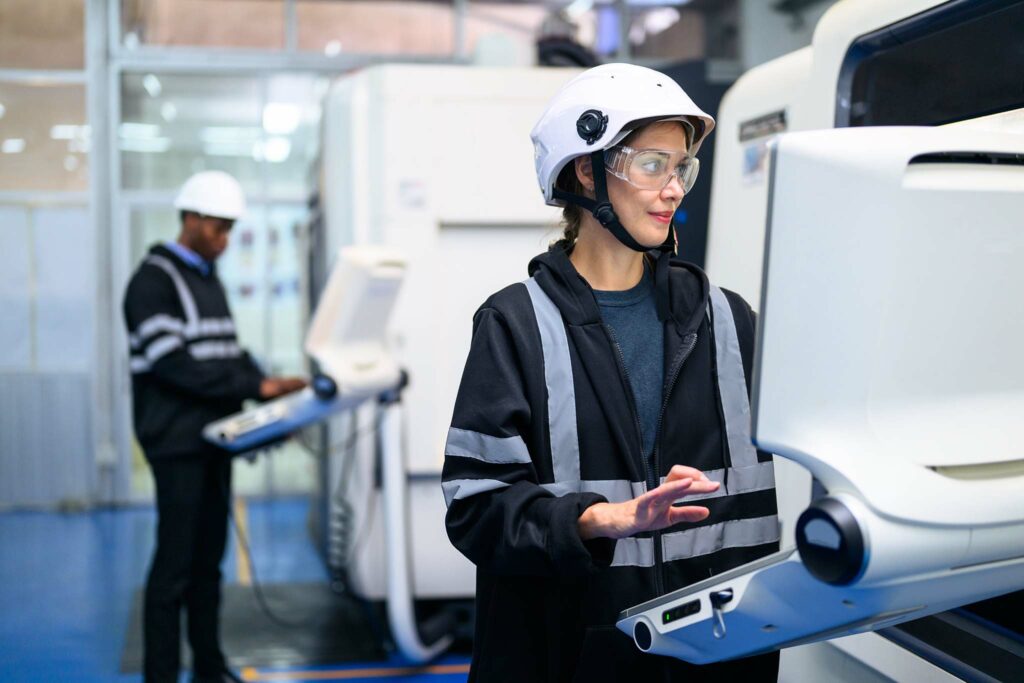
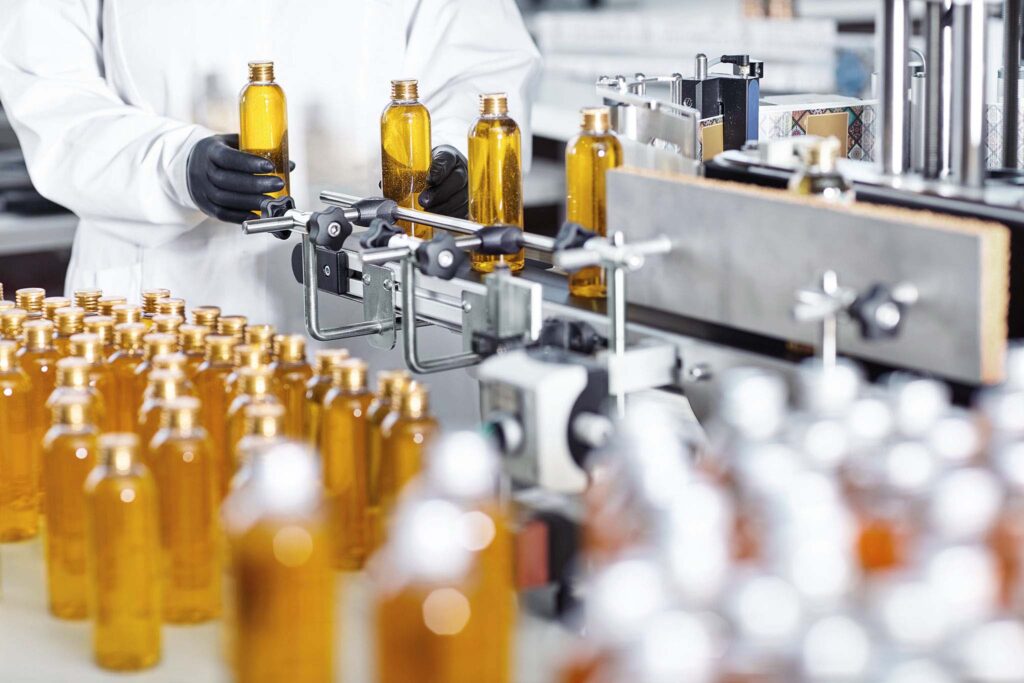
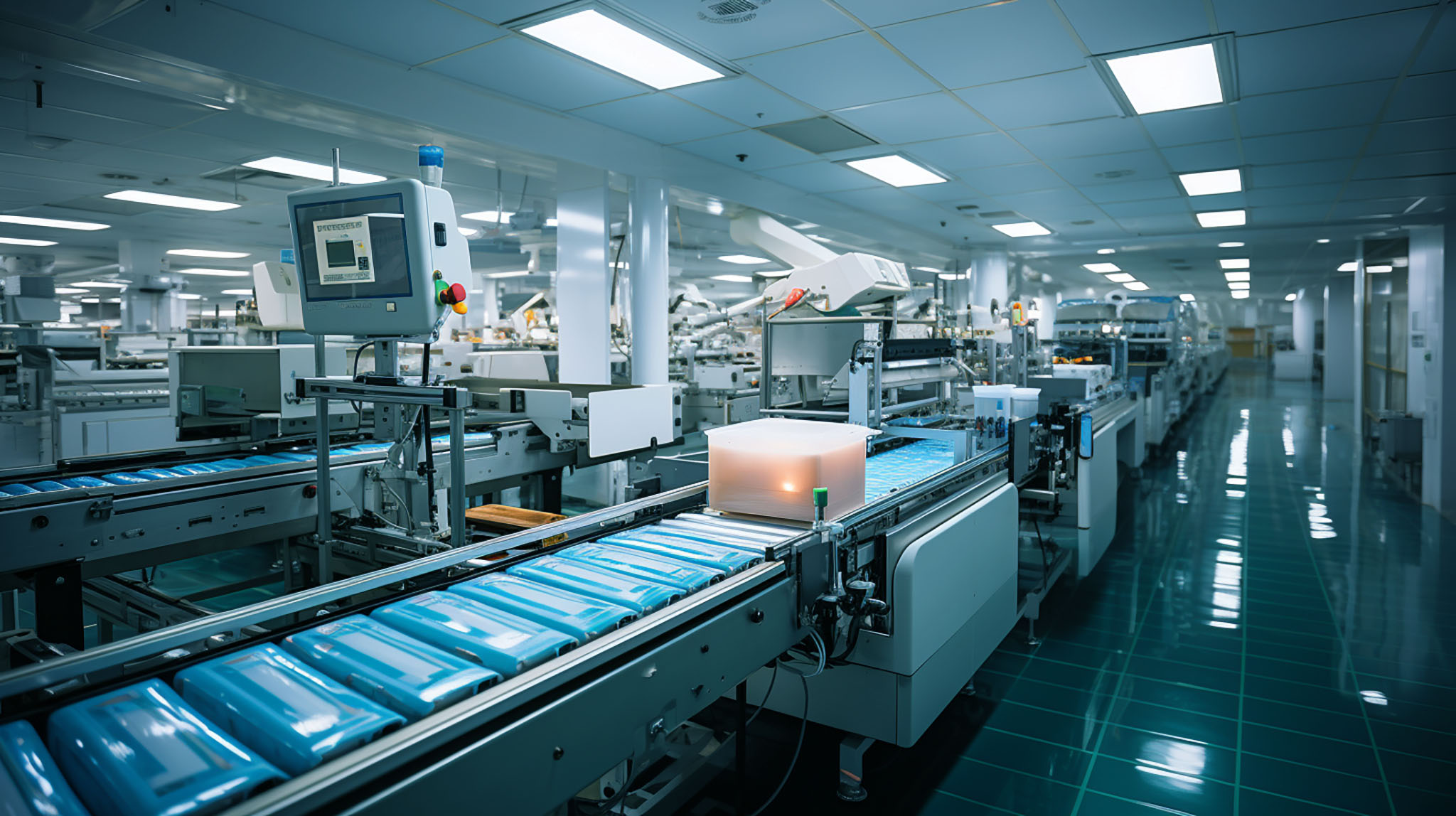
The fourth industrial revolution is a term used to describe the dynamic changes taking place in today’s world. Widespread access to the Internet, mobile devices, artificial intelligence, and renewable energy sources have changed our everyday lives in a short time. Not only do we produce and work differently than before, but we also live differently. The face of manufacturing plants has also changed, as they strive for digital transformation to become the factories of the future.
We have already dealt with industrial revolutions, i.e., breakthrough events that forever changed the methods of manufacturing various products and the perspective on work, several times in the history of humanity. The first such revolution was initiated in the 1760s with the invention of the steam engine. The turn of the 19th and 20th centuries brought revolutionary inventions in the form of electricity and the first production line, and the third industrial revolution was sparked by the invention of the computer.
It is the development of computer systems, information technology, and the Internet that laid the foundations for the current, fourth industrial revolution. With the development of the Internet of Things, artificial intelligence, and new production technologies, the idea of a comprehensive transformation of the industry was born. The term “Industry 4.0” first appeared in 2011 at the Hanover Fair and referred to a project by the German government promoting the computerization of manufacturing processes.
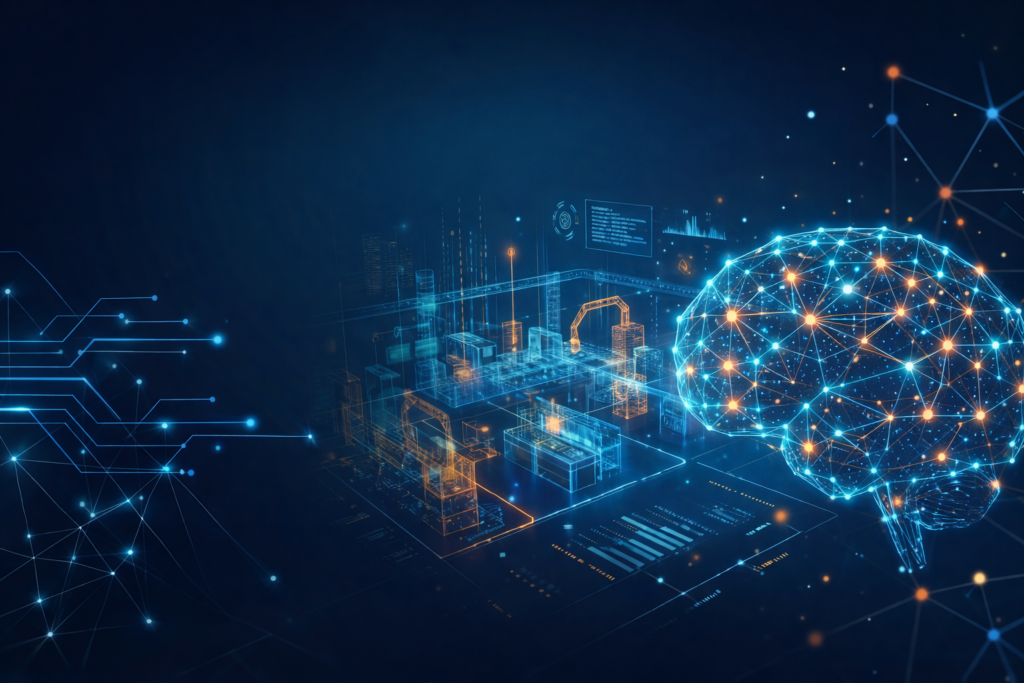
Crucially, in the fourth industrial revolution, it is not only new technologies that are important, but also their mutual interaction. The essence of Industry 4.0 is the integration of machines, systems, and the way of thinking about production. The goal is to create a smart factory where all systems are integrated into one organism, and people communicate both with each other and with machines via the network.
The Internet of Things (IoT) – can be simply defined as a “network of interconnected objects.” It’s a concept according to which various devices, thanks to their internet connection, can collect and exchange data with each other, and sometimes even perform certain tasks remotely. In the industrial sector, we can also talk about the Industrial Internet of Things (IIoT).
Machine learning – thanks to artificial intelligence, it’s possible to teach computers how to refine and improve processes based on data. Importantly, this is not the result of programming. Algorithms are trained to find patterns, patterns, and correlations in large data sets and make decisions or forecasts based on them.
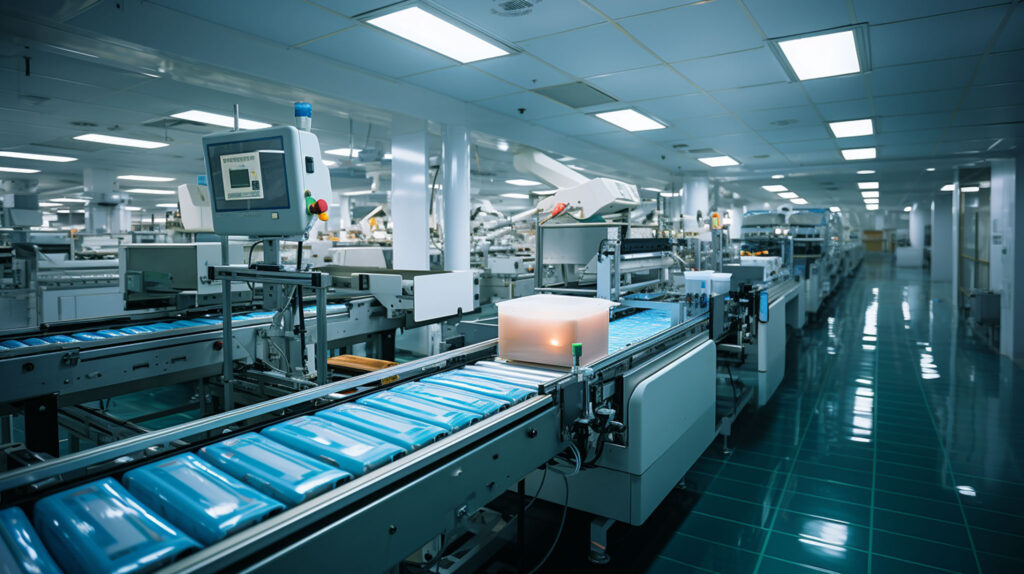
Roboticization and automation – robots are increasingly replacing human labor in monotonous, dangerous, and repetitive tasks, and many processes in modern factories are automated. Thanks to sensor technology, many robots can work closely with humans and supplement their tasks.
Production digitization – the use of digital platforms, cloud computing, and big data is changing the way we collect, process, and use information from all stages of production. This makes it easily accessible from any location and device.
You can read more about what digitization is and whether it’s the same as digital transformation in this article: Digital Transformation – What Is It and Why Should We Strive for It?
How can the solutions offered by Industry 4.0 be used in practice? Examples are presented below:
Machine performance monitoring
The use of IoT sensors to monitor the condition of machines in real-time allows factories to detect faults early and plan maintenance. Such action helps reduce breakdowns and minimize downtime.
Learn more about machine monitoring. Read our article: Various ways of monitoring machines and workplaces. Usability and future prospects.
Automation of production processes
Thanks to advanced algorithms, robots can perform many tasks that previously required human involvement. They are increasingly used for tasks such as assembly, packaging, transport, and machine operation. Not only does this increase production efficiency and minimize the risk of human error, but it also improves safety, and human resources can be redirected to more ambitious work requiring strategic thinking.
Digital factory models
The Digital Twin concept involves creating virtual factory models that reflect actual production processes. This allows new solutions and ideas to be tested in safe conditions before they are implemented in real plants.
Fact-based management
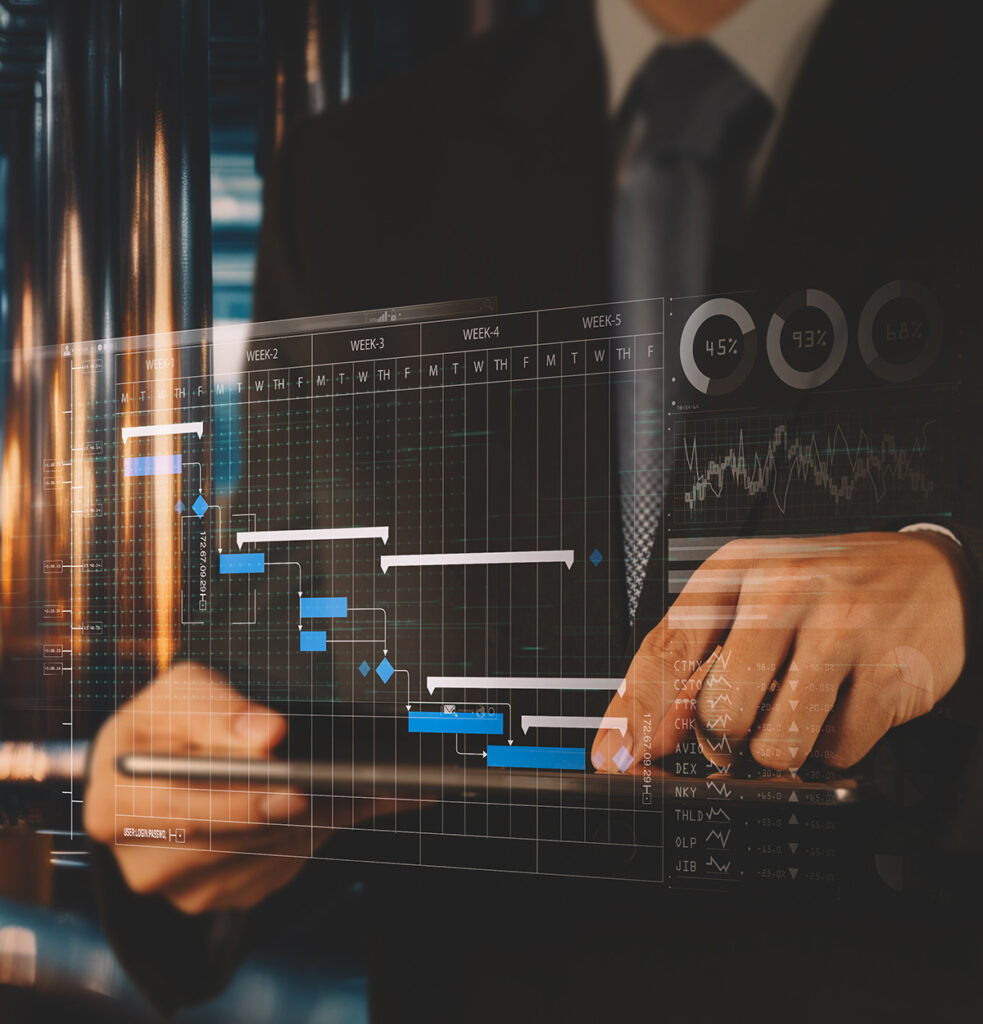
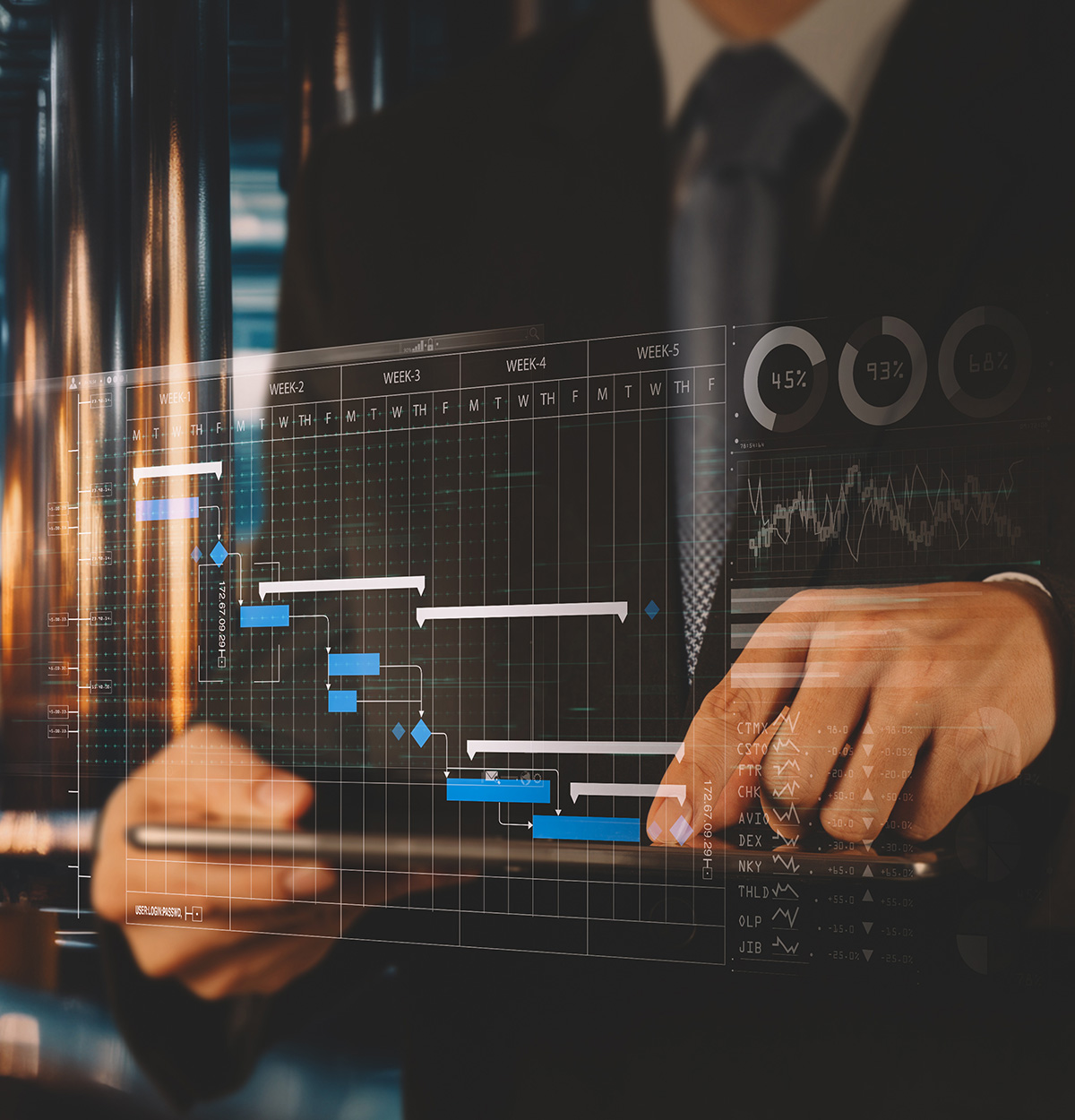
Modern systems allow the collection of detailed data about each stage of the production process in real-time, and moreover, facilitate their processing and analysis. Thanks to this, managers have access to reliable and up-to-date information, which allows them to make better decisions.
Read how to collect reliable information about production here: Reliable production data. How to collect and then qualify it?
The fourth industrial revolution not only changes the way companies produce and deliver products to the market but also affects their business strategies, organizational culture, and relationships with clients. Enterprises that can use the potential of new technologies have a chance to achieve a significant competitive advantage and succeed.
To find oneself in the world of Industry 4.0, the right attitude is necessary. Both the needs of the market and customers, as well as increasingly newer tools and technological solutions, are changing at an unprecedented pace. To keep up with these changes, it requires not only openness, a willingness to experiment and take calculated risks, but also great flexibility and a desire for continuous improvement.
Factory managers must realize that digital transformation is currently a necessity, but it does not mean just introducing a few systems or applying a few innovative solutions. Individual actions should be logically connected to each other and contribute to the creation of a coherent, integrated organism, forming a modern factory worthy of the name Factory of the Future.
An Industry 4.0 engineer must possess not only elementary knowledge in their field but also traits such as interdisciplinary or effective communication skills.
The fourth industrial revolution is also an opportunity for the development of lower-level employees. Delegating boring, tedious, and repetitive tasks to robots is not an attack on jobs previously held by humans, but freeing up their time so they can develop in much more creative tasks.
Striving for the ideal of Industry 4.0 is an ongoing process, and its first steps should open up further possibilities for achieving ever better results. A forward-looking perspective and optimal planning of activities in this area are made possible by a tool such as the Digital Transformation Roadmap.
Read how to develop a Roadmap that will allow you to transform your plant into a factory of the future in this article: A factory tailored to Industry 4.0. How to reach it with the Digital Transformation Roadmap?
Smart manufacturing offers companies the opportunity to increase their competitiveness in the market. By leveraging new technologies, factories that have implemented it are able to produce more efficiently, at lower costs, and with greater environmental impact. Furthermore, they can create products that address specific customer needs and flexibly respond to changing demand.
Automation of production processes and access to reliable and up-to-date data translate into better management of production work, which is becoming increasingly efficient. This allows for optimal use of available resources, reduced costs, and the avoidance of unplanned downtime resulting from, for example, machine failures.
The use of Industry 4.0 Technologies allows companies to track product quality in real time and prevent defects even before they leave the production line. Factories 4.0 also offer improved safety – thanks to improved process monitoring methods, the risk of accidents is significantly reduced.
Previous industrial revolutions lasted for several decades and spanned subsequent generations. The pace of change has never been as fast as in the case of the Industrial Revolution 4.0. It brings unprecedented possibilities – we can produce more, better, and more efficiently, while taking care of human needs and considering sustainable development. However, for this to happen, the right attitude and looking at Industry 4.0 from a broader perspective than just implementing further innovative technologies are necessary.
Want to learn more? Visit our Knowledge Base, where you'll find articles and webinars by experts to expand your knowledge.