
Digital Technologies and Strategies for Increasing Energy Efficiency
We live in an era of spectacular changes — Technological, Economic, and Business-related. Changes we can prepare for, and those that surprise us day by day.
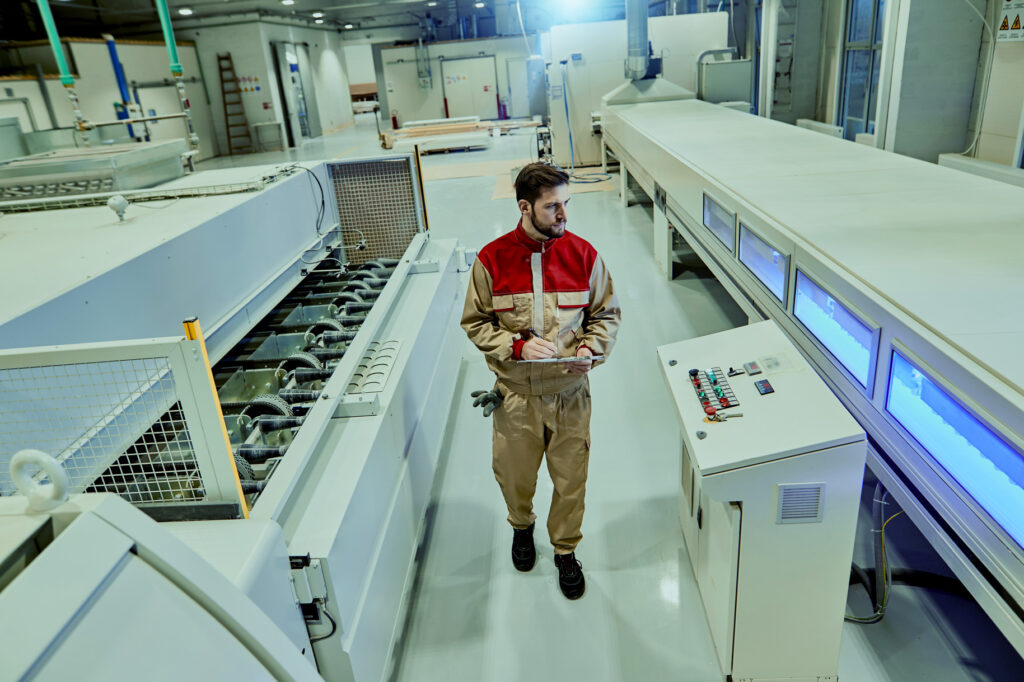
Manufacturing a product is usually a complex process, comprising multiple stages that require the involvement of various people or machines, as well as diverse materials and raw inputs. The better each individual activity is planned and coordinated, the more efficient the overall process becomes. A well-designed production routing can be an invaluable aid in achieving this.
Production routing (also known as a technological routing) is an organized and structured approach to manufacturing in which a product passes through a series of processing, assembly, or machining stages before it is completed. Each unit of a given product goes through the same phases of production, in the same sequence.
Individual stages may be responsible for different parts of the production process, such as mechanical machining, painting, quality testing, and so on, with each worker or machine on the production line specializing in a specific task. This streamlines the entire process and makes it more efficient and precise.
A classic example of production routing is an automotive assembly line, where raw materials enter at the beginning of the line and finished vehicles exit at the end. In between, the car passes through many stages such as painting, body assembly, interior fitting, engine installation, and more.
A well-designed production routing has a significant impact on the efficiency of a manufacturing plant. First and foremost, it allows for the optimization of the sequence of individual operations, which helps to shorten production times. Unnecessary interruptions are eliminated, distances between workstations are reduced, and the need to repeat the same steps is minimized.
Production routing also enables better utilization of machine capabilities and availability. The need to constantly reconfigure equipment is avoided, leading to less time wastage and greater machine uptime. It also becomes easier to identify potential points where errors or problems may occur, enabling the implementation of preventive and corrective actions to avoid delays and costly repairs.
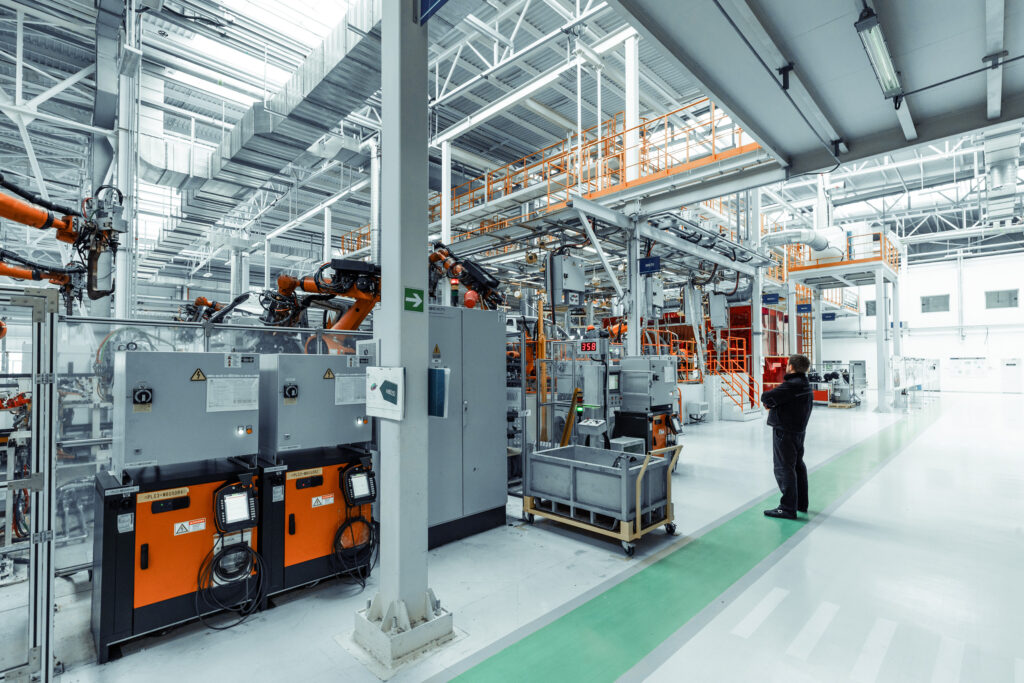
Production routing provides better control over the entire process, supports more effective management of inventories, deliveries, and schedules. Quality control elements can be built into the routing at the right moments, making it possible to detect defects early and prevent substandard products from reaching the market.
The repeatability of the process helps to avoid unnecessary movement of materials and personnel, reducing operational costs and shortening delivery times — which ultimately translates into customer satisfaction and stronger business relationships.
Optimizing production routing through IT systems can significantly boost process efficiency, improve quality, and reduce costs. The following approaches are key to achieving this:
Collecting accurate data on all processes is essential for routing optimization. This includes information on the duration of individual operations, resources used, and relationships between production steps. MES systems are particularly well-suited to this task, enabling real-time production monitoring and delivering data from each stage — from raw material deliveries to line operations and quality checks.
The data gathered by IT systems can be used for in-depth analysis. Detailed, reliable information enables the identification of areas where improvements can be made, such as eliminating redundant steps, optimizing resource utilization, or shortening production times.
IT systems can be used to create a computer model of a given production process, incorporating all stages and dependencies. Dedicated software such as an APS system enables the creation of schedules and production plans while accounting for resource constraints, delivery deadlines, and production priorities.
IT systems allow the use of advanced optimization tools — such as genetic algorithms, linear programming, or metaheuristics — to find the best combination of operations and the correct sequence for executing them, taking various factors into account.
Integrating IT systems with production machinery enables the automatic exchange of production progress data and real-time feedback. Integration with other elements of the supply chain — such as suppliers and distributors — ensures a smooth flow of materials.
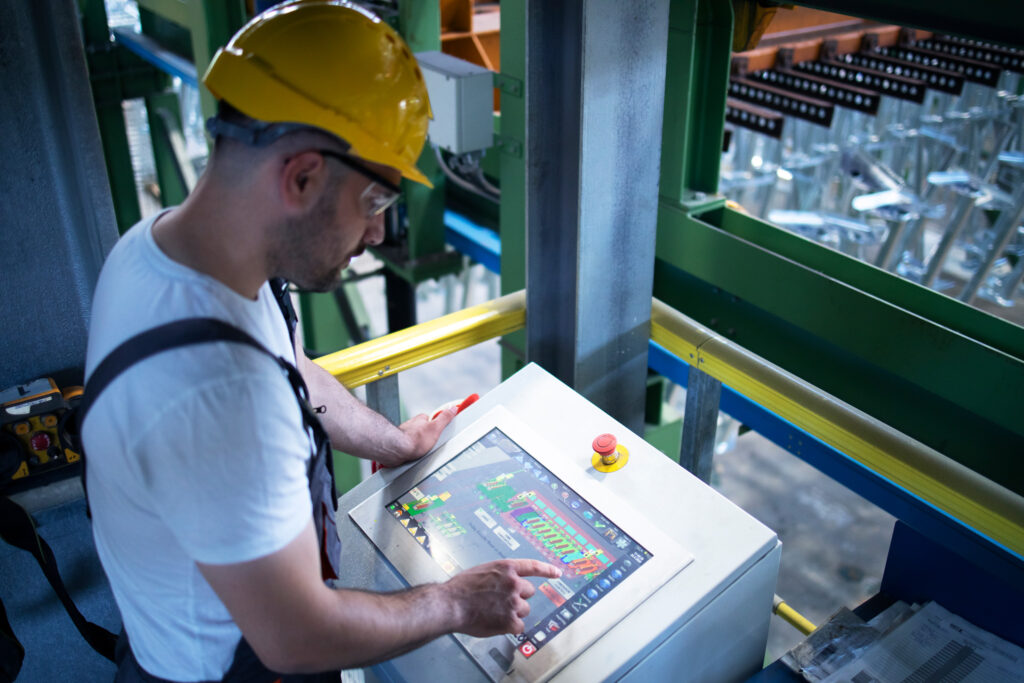
A properly selected IT system should also enable real-time monitoring of production progress and the adjustment of plans in response to changes or unforeseen problems. Regular analysis and optimization are essential to ensure the system continues to deliver the expected benefits as production conditions evolve.
Production routing is critical for manufacturing efficiency, as it drives optimal resource utilization, shorter production times, lower costs, and improved product quality. A well-designed routing can strengthen a company’s competitive position by boosting throughput and customer satisfaction. The optimization of production routing using IT systems is key to unlocking these benefits.
Learn more about MES and APS systems that support production routing:
Want to learn more? Visit our Knowledge Base, where you'll find articles and webinars by experts to expand your knowledge.