
Dodatkowy tekst przed nagłówkiem
Tytuł
Tekst
WEMEQ Model
Reduce Waste
Eliminate products that cannot reach market. This includes scrap generation, yield losses, inherent production waste, off-specification output, overproduction runs, rework cycles, and excessive quality specifications that exceed customer requirements.

Reduce Energy Costs
Minimize utilities consumed throughout the production process. Address energy consumption patterns, carbon footprint reduction (ESG compliance), and identify high-consumption operations that conflict with sustainability mandates.
Reduce Material Consumption
Optimize raw material and process aid usage, ensuring quantities do not exceed what is necessary to produce saleable finished goods. Focus on raw material volumes, adhesives, coatings, chemicals, additives, and processing aids.
Optimize Line Efficiency
Eliminate nonproductive time and capacity loss—periods when equipment cannot generate saleable output. Improve OEE (Overall Equipment Effectiveness), production speed, asset availability, and eliminate unplanned downtime, stoppages, and process disruptions.

Improve Product Quality
Enhance final product performance or reduce production cost. Optimize product characteristics and finished goods specifications to exceed customer expectations and reduce quality-related complaints while enabling value-added product enhancements.
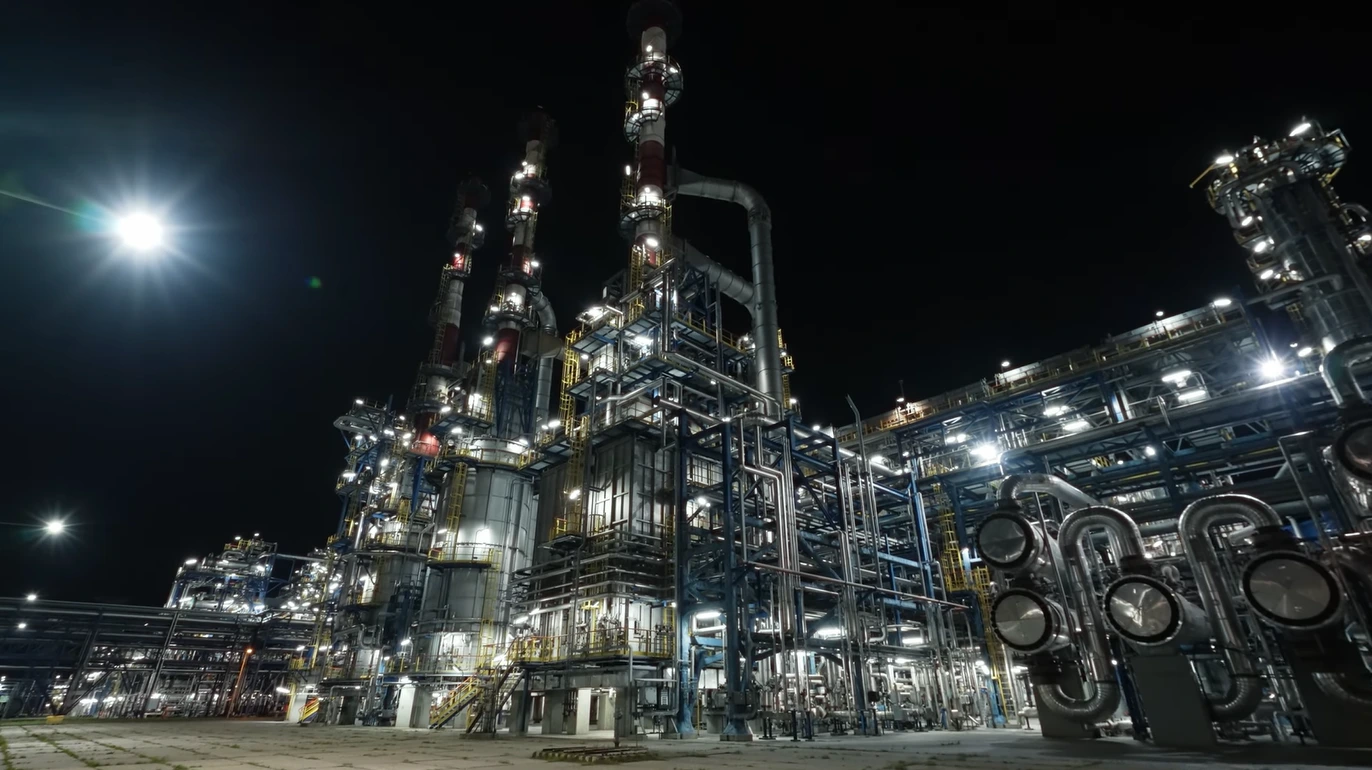
MES w Rafinerii
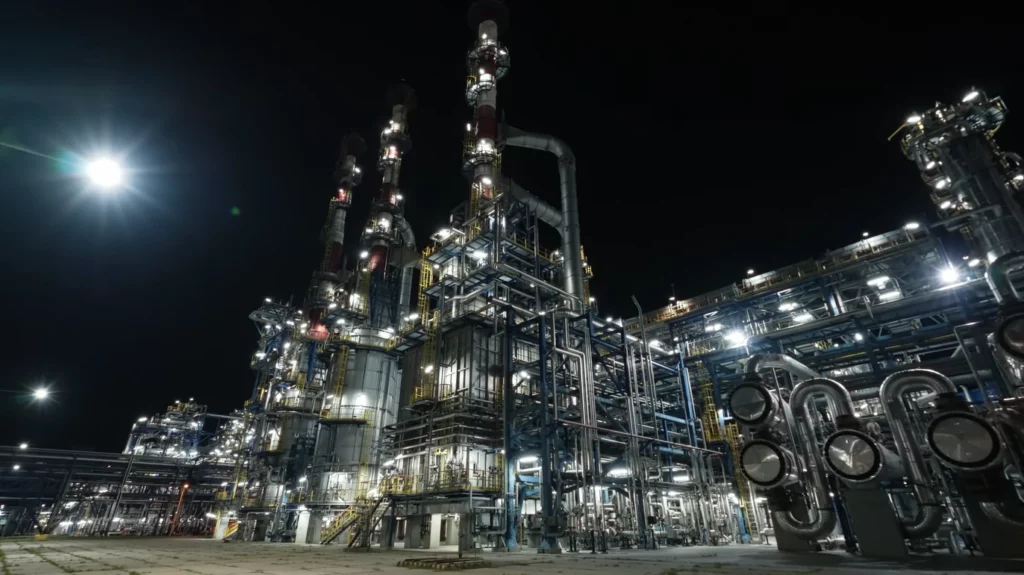
Wdrożenie systemu MES umożliwiło automatyzację procesów planowania i monitorowania produkcji, zwiększając wydajność operacyjną.

Kontrola jakości w Brose Sitech
System wizyjny i AI eliminują wady na wczesnym etapie produkcji, zapewniając bezpośrednią kontrolę nad parametrami jakości.
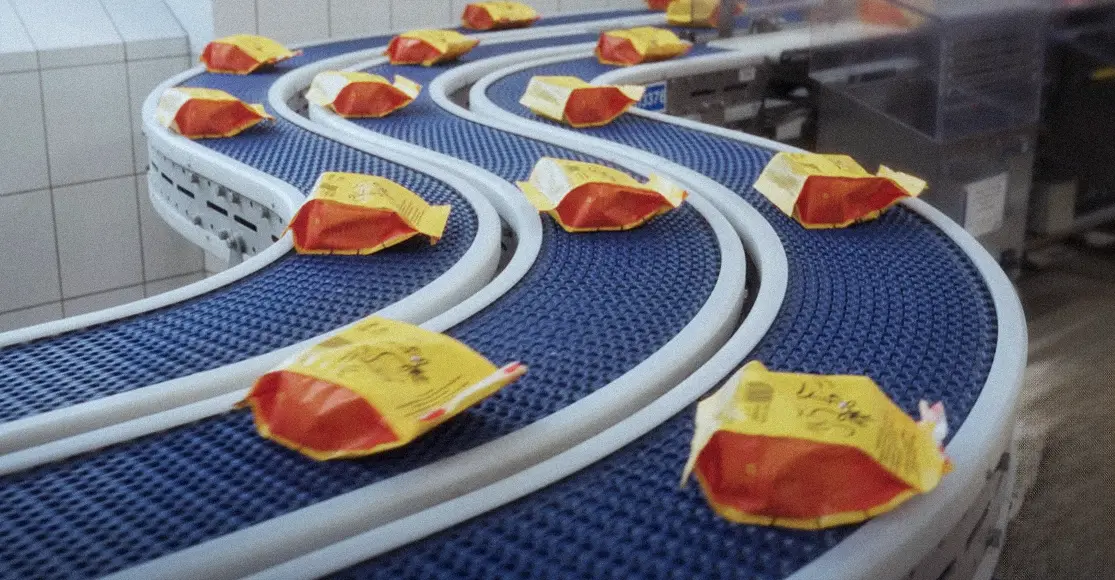
Transformacja w Bahlsen Polska
Mapa drogowa cyfrowej transformacji doprowadziła do optymalizacji wszystkich procesów biznesowych i redukcji kosztów operacyjnych.